
 Facebook
 X
X
 Pinterest
 Copy Link
Prepare your home for the Pacific Northwest winter with these practical maintenance projects that can help prevent costly repairs, improve comfort, and protect your home’s value.
Fall in the Pacific Northwest is beautiful, but it also signals the start of months of rain, wind, damp weather, and shorter days. For homeowners in Shoreline, Edmonds, and throughout the Seattle area, autumn is one of the best times to take care of maintenance projects before winter weather arrives.
A little preparation now can help prevent water damage, reduce energy costs, and keep your home in good condition. Whether you plan to stay in your home for years or may be considering selling in the future, these are 12 fall home projects worth putting on your checklist.
1. Clean Your Gutters and Downspouts
With falling leaves and heavy autumn rain, clogged gutters are one of the most common sources of preventable home maintenance problems in Western Washington.
When gutters fill with leaves, needles, and debris, water can overflow near your foundation, soak siding, damage landscaping, and contribute to crawl space moisture problems.
What to do:
- Remove leaves and debris from gutters.
- Check that downspouts are clear and discharge water away from the foundation.
- Inspect gutter seams, hangers, and connections for leaks or sagging.
- Consider installing gutter guards if your property has many overhanging trees.
Homes surrounded by mature trees may need more than one gutter cleaning during the fall.
2. Check Your Roof for Damage
Your roof takes a beating during the Pacific Northwest’s rainy season. Fall is an ideal time to look for damaged, missing, or aging roofing materials before extended wet weather makes repairs more difficult.
From the ground, look for missing shingles, damaged flashing, sagging areas, or debris collecting in roof valleys. Moss is also common in our region and can hold moisture against roofing materials.
If you suspect a problem, consider hiring a qualified roofing professional for an inspection. Avoid climbing onto a wet or steep roof yourself.
Why it matters: A small roof leak can lead to damaged insulation, stained ceilings, wood rot, and expensive interior repairs if left unaddressed.
3. Improve Drainage Around Your Foundation
Water management is especially important in Shoreline and Edmonds, where prolonged rainfall can expose drainage problems around homes.
Walk around your property during or after a rainstorm, if it is safe to do so. Look for water pooling near the foundation, overflowing catch basins, or areas where runoff flows toward the house.
Check that:
- Soil slopes away from the foundation where practical.
- Downspout extensions carry water away from the home.
- Yard drains and catch basins are free of leaves and debris.
- Window wells are clear and drain properly.
- Retaining walls and sloped areas show no new signs of movement or unusual water accumulation.
Persistent standing water or recurring crawl space moisture may warrant evaluation by a drainage specialist.
4. Seal Drafts Around Windows and Doors
As temperatures drop, small gaps around windows, exterior doors, and other openings can make your home less comfortable and increase heating costs.
Inspect weatherstripping around doors and windows. Replace worn or missing material, and use an appropriate exterior sealant for gaps around stationary window frames and other exterior penetrations.
Pay attention to:
- Exterior door thresholds.
- Gaps around window trim.
- Openings around plumbing or utility penetrations.
- Drafty doors leading to garages or unfinished spaces.
Properly sealing drafts is often an inexpensive project that improves comfort throughout the winter.
5. Service Your Heating System
You don’t want to discover that your furnace or heat pump needs attention on the first cold night of the season.
Schedule routine maintenance according to the manufacturer’s recommendations. Replace or clean filters as appropriate, make sure supply and return vents are unobstructed, and confirm that your thermostat is working properly.
If you have a heat pump, keep the outdoor unit clear of leaves and other debris while maintaining the clearances specified by the manufacturer.
Change the air filter on any forced air system – this one is simple, and is a good way to keep the system running efficiently through the cold season.
Homes with fireplaces or wood-burning stoves should also have their chimneys and venting systems inspected and cleaned as recommended by a qualified professional.
Safety reminder: Make sure smoke and carbon monoxide alarms are working and have fresh batteries where applicable.
6. Protect Outdoor Faucets and Irrigation Systems
Freezing temperatures are less common in the Puget Sound lowlands than in many other parts of the country, but cold snaps can still damage exposed plumbing.
Before winter:
- Disconnect garden hoses.
- Shut off and drain outdoor faucet lines if your plumbing setup allows it.
- Insulate exposed pipes in unheated areas.
- Winterize irrigation systems according to the manufacturer’s instructions.
- Check outdoor faucets for drips or leaks.
If you have a sprinkler system, follow its recommended winterization procedure to reduce the risk of cracked pipes and damaged components.
7. Inspect Your Crawl Space or Basement
Moisture is a major concern for many Western Washington homeowners. Fall is a good time to check your crawl space or basement for signs of water intrusion before months of rain set in.
Look for standing water, damp insulation, visible mold-like growth, musty odors, pest activity, or damaged vapor barriers.
Make sure foundation vents, where present and appropriate for the home’s design, are not obstructed. Don’t assume that closing or opening vents is universally correct; crawl spaces have different ventilation and moisture-control designs.
If you discover persistent moisture, have the underlying cause evaluated rather than simply covering up the symptoms. Poor drainage, plumbing leaks, and inadequate vapor barriers may all contribute to the problem.
8. Trim Trees and Remove Hazardous Branches
Windstorms can bring down branches, damage roofs, and knock out power. Before winter storms arrive, inspect trees around your home for dead limbs, branches rubbing against the roof, or growth that could interfere with utility lines.
Remove small, accessible dead branches when safe to do so. For large trees, significant limbs, or work near power lines, hire a qualified tree professional.
If you live in Shoreline or Edmonds, check applicable tree regulations before undertaking major pruning or removal, particularly for protected trees or trees in environmentally sensitive areas.
9. Clean Exterior Vents and Check Exhaust Fans
Dryer vents, bathroom exhaust outlets, and kitchen ventilation systems help remove moisture and contaminants from your home. Make sure exterior outlets are clear of leaves, nests, and other obstructions.
Clean the dryer lint screen after every load and periodically inspect the dryer exhaust duct for lint buildup. A blocked dryer vent can increase drying times and create a fire hazard.
Run bathroom fans during showers and for an appropriate period afterward to help control indoor humidity. If a bathroom remains damp or develops recurring condensation, consider whether the fan is functioning properly and exhausting outdoors.
10. Inspect Decks, Railings, and Exterior Stairs
Wet weather can make decks and stairs slippery while exposing deteriorated wood, loose railings, and other safety concerns.
Check for:
- Loose or unstable handrails.
- Soft, rotting, or split deck boards.
- Loose stair treads.
- Corroded or missing fasteners.
- Areas where water consistently collects.
Remove moss and algae using a cleaning method appropriate for the deck material. Avoid overly aggressive pressure washing, which can damage wood and finishes.
If the deck has not been maintained recently, fall is a good time to evaluate whether it needs cleaning, repairs, or a suitable protective finish.
11. Prepare Your Yard for the Rainy Season
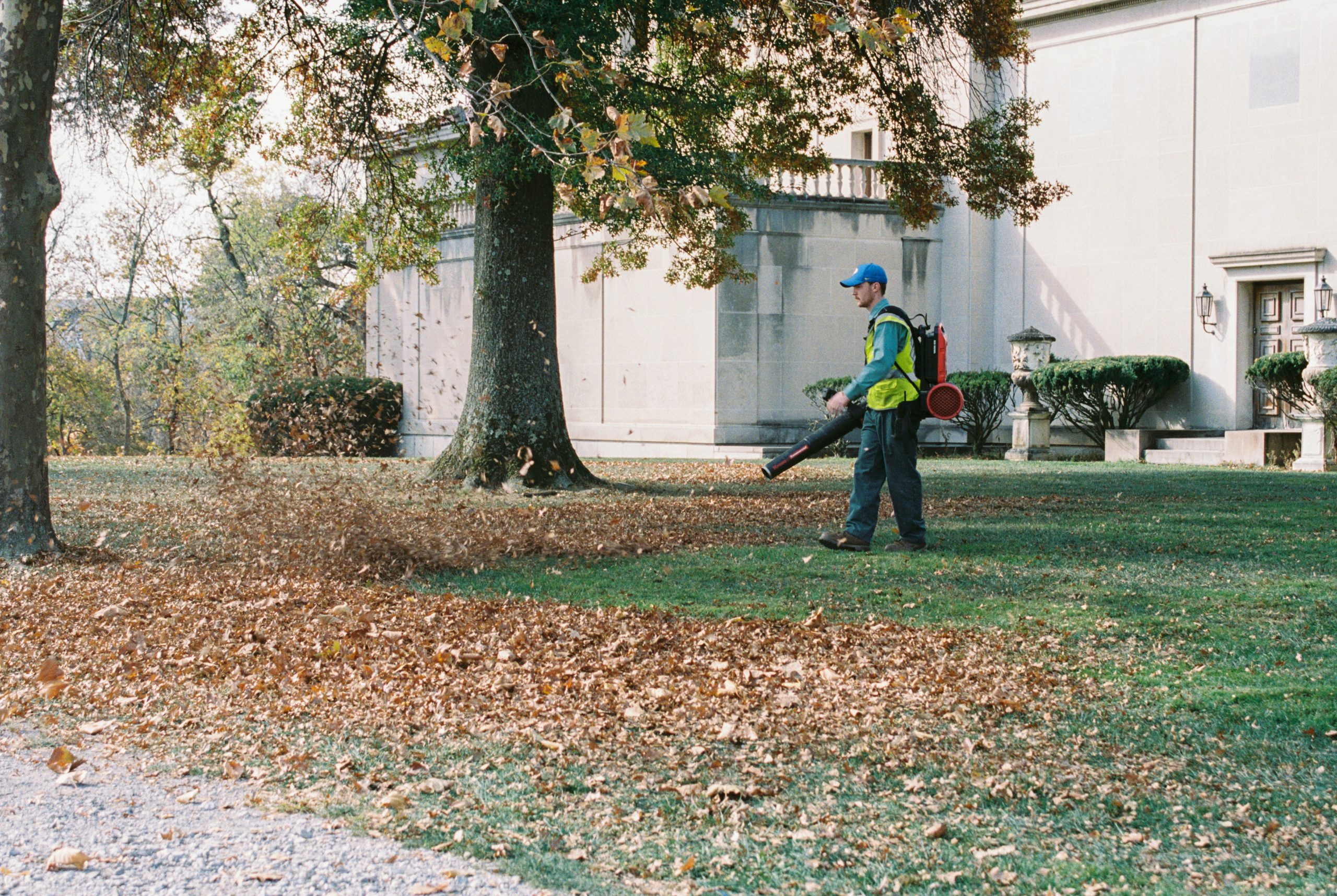
Fall yard cleanup isn’t just about appearances. Keeping leaves and debris out of drainage systems can help water move away from your home during heavy rain.
Rake leaves from lawns, remove debris from patios and walkways, and keep drainage grates clear. Store or secure lightweight outdoor furniture, umbrellas, and planters before strong winds arrive.
If you have garden beds near your foundation, make sure mulch and soil aren’t piled against siding or covering areas that need to remain clear.
This is also a good time to evaluate landscape areas that routinely become muddy or waterlogged. Strategic planting or drainage improvements may help, depending on the cause of the problem.
I like to spread grass seed in the fall as well – I spread the seed with a yard spreader and cover it with a layer of organic compost. Fall is a perfect combination of rainy days and warm, sunny afternoons that seems to work for filling in bare patches and overseeding lawns in general.
12. Check Attic Insulation and Indoor Air Leaks
If your home feels drafty or your heating bills have been climbing, fall is a good time to look into insulation and air sealing.
Check accessible attic areas for obvious gaps, displaced insulation, or signs of moisture. Look for staining or dampness that might indicate a roof leak or condensation issue.
Before adding insulation, make sure existing moisture problems are addressed and that attic ventilation and required clearances around heat-producing equipment are maintained.
A home energy assessment can help identify which improvements are likely to make the biggest difference. Depending on your home’s condition, air sealing, insulation upgrades, and heating-system improvements may be more effective than replacing windows alone.
Bonus: Take Care of Small Repairs Before They Become Big Ones
Fall is also a good time to walk through your home with a notepad and identify small issues you’ve been putting off.
Look for dripping faucets, slow drains, loose cabinet hardware, damaged caulking, sticking doors, and minor exterior paint failures. Addressing these issues now can help prevent deterioration and make your home easier to maintain.
If you are considering selling in the next year or two, keeping up with routine maintenance can also help you avoid a long list of deferred repairs when it comes time to prepare your property for the market.
Fall is also a great time to wrap up any paint projects or interior touch-ups you have around the house. It’s still occasionally warm enough to open windows and doors for fresh air and to aid in the ability for the paint to dry quickly.
Your Fall Home Maintenance Checklist
Before the first major winter storm, make sure you’ve covered the essentials:
Clean gutters and downspouts.
Inspect the roof and flashing.
Check drainage around the foundation.
Seal drafts around windows and doors.
Service the heating system.
Disconnect hoses and protect exposed plumbing.
Inspect the crawl space or basement for moisture.
Address hazardous tree branches.
Clean dryer vents and check exhaust outlets.
Inspect decks, stairs, and railings.
Clear yard drains and secure outdoor furniture.
Review attic insulation and signs of moisture.
You don’t have to tackle everything in one weekend. Start with projects that prevent water intrusion and protect your home’s safety, then work through the remaining items as time and budget allow.
Protecting Your Home’s Value Starts With Maintenance
Your home is likely one of your largest investments, and routine maintenance is an important part of protecting it. In the Pacific Northwest, keeping water out, controlling moisture, and preparing for seasonal weather can make a meaningful difference over time.
Whether you’re planning to stay in your home for the foreseeable future or thinking about selling, taking care of these projects before winter can help you avoid surprises and keep your property in better condition.
Have questions about preparing your Shoreline or Edmonds home for sale? I’m happy to help you understand which maintenance items are worth addressing now, which improvements may matter most to future buyers, and how to plan ahead for a successful sale in the future.
Luke Brown | Windermere Real Estate
